
How Rooftop Solar Works for Homes in Kerala: A Simple Guide from the Best Solar Company in Kerala
For homeowners across Kerala, electricity has become one of the most unpredictable monthly expenses. Rising tariffs, increased appliance usage, and complete dependence on grid power often result in higher bills with little control. As awareness around renewable energy grows, rooftop solar is emerging as a practical and long-term solution for residential homes—especially when implemented with the guidance of the best solar company in Kerala, which understands local energy needs and conditions.
However, despite growing interest, many families hesitate to move forward because they do not fully understand how rooftop solar actually works. Technical terms such as solar panels, inverters, net metering, and grid connectivity can feel overwhelming, especially for first-time buyers. This lack of clarity often delays decision-making, even when the benefits are clear.
Understanding how rooftop solar functions is the first step toward making a confident investment. With guidance from an experienced installer and a properly designed system, rooftop solar becomes a simple, reliable, and cost-effective solution. This guide explains the complete working of rooftop solar systems for homes in Kerala, breaking it down in a clear and easy-to-follow way.
What Is a Residential Rooftop Solar Power System?
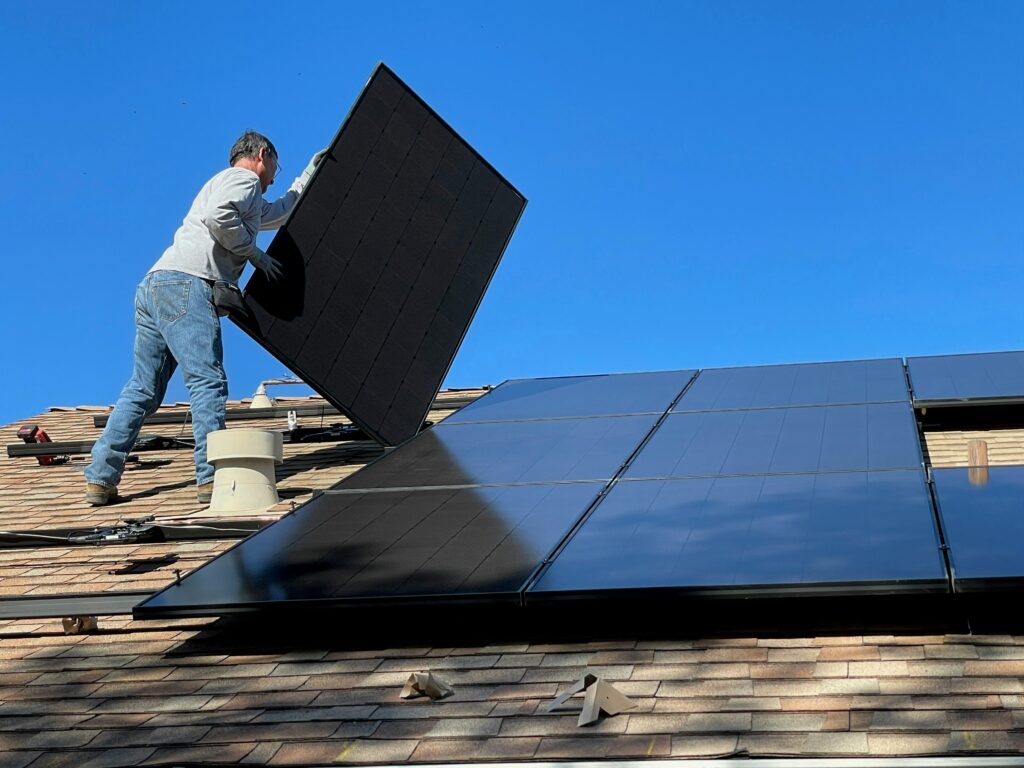
A residential rooftop solar power system allows homeowners to generate electricity using sunlight captured through solar panels installed on the roof. The energy produced can be used to power household appliances, with excess electricity sent back to the grid through a mechanism known as net metering.
A typical rooftop solar system for Kerala homes includes:
Solar panels mounted on the roof
A solar inverter to convert electricity
Mounting structures designed for roof type
Electrical safety components
Grid connectivity with net metering
These systems are designed to operate efficiently in Kerala’s tropical climate, handling high humidity, heat, and monsoon conditions without affecting performance.
How Solar Panels Generate Electricity
The process starts with solar panels. Each panel is made up of photovoltaic (PV) cells that absorb sunlight during the day. When sunlight hits these cells, it creates an electrical charge.
This electricity is initially generated in direct current (DC) form. Since homes use alternating current (AC), the electricity must be converted before it can be used.
Even on cloudy days, panels continue to produce electricity, although output may be slightly reduced. Kerala’s year-round daylight makes rooftop solar a viable option for consistent power generation.
The Role of the Solar Inverter
The solar inverter plays a crucial role in the system. It converts the DC electricity produced by the panels into AC electricity that can power household appliances.
In addition to conversion, modern inverters also:
Monitor system performance
Ensure safe grid synchronization
Automatically manage power flow
If the solar system generates more electricity than the home requires, the inverter helps direct the surplus power back to the grid through net metering.
Understanding Net Metering in Kerala
Net metering is one of the most important aspects of rooftop solar for residential users. It allows homeowners to export unused electricity to the electricity board and receive credits, a process that is clearly explained and efficiently handled by the best solar company in Kerala during system installation and approval.
Here’s how it works in simple terms:
During daytime, solar panels generate electricity
Your home uses the required amount
Excess power is sent to the grid
The meter records exported units
At night or during low sunlight, power is drawn from the grid
At the end of the billing cycle, exported units are adjusted against imported units, significantly reducing the electricity bill.
This system ensures that homeowners have uninterrupted power supply while maximizing the financial benefits of solar.
What Happens During Power Cuts or Low Sunlight?
One common question homeowners ask is whether rooftop solar works during power cuts. In most grid-connected systems, the inverter automatically shuts down during outages to ensure safety.
However, even without backup, solar still provides significant savings because most power consumption happens during the day. For homeowners who require backup, optional battery solutions can be integrated based on specific needs.
During monsoon or low sunlight days, the grid seamlessly supplies power, ensuring there is no disruption to daily life.
Is Rooftop Solar Suitable for Most Homes in Kerala?
Rooftop solar is suitable for the majority of residential buildings in Kerala, provided there is sufficient roof space and good sun exposure. Both flat and sloped roofs can support solar installations with the right mounting structures.
Homes consuming between 150 and 600 units per month typically benefit the most, as solar can offset a large portion of their electricity usage. Even smaller homes can start with a modest system and expand later if required.
This flexibility makes rooftop solar a scalable solution for both new homes and existing buildings.
Why System Design and Installation Matter
While the concept of solar is simple, system performance depends heavily on proper design and installation. Factors such as panel orientation, tilt angle, shading, and inverter selection all impact energy generation.
This is where experienced providers, often recognized as the best solar company in Kerala, stand apart. They focus on technical accuracy, safety standards, and long-term reliability rather than just installation.
A professionally designed system ensures:
Optimal power generation
Compliance with local regulations
Smooth net metering approval
Long-term durability
Benefits of Rooftop Solar for Kerala Homes
Installing a rooftop solar system offers multiple advantages beyond bill reduction:
Lower monthly electricity expenses
Protection against future tariff hikes
Reduced carbon footprint
Increased property value
Energy independence
For families planning to stay in their homes long-term, solar becomes an investment that delivers consistent returns year after year.
Common Misconceptions About Rooftop Solar
Many homeowners delay adopting solar due to misconceptions, such as:
Solar does not work during monsoon
Maintenance is complicated
Installation damages the roof
Savings take too long to realize
In reality, modern systems are designed for low maintenance, safe installation, and quick financial benefits when sized correctly.
Understanding how rooftop solar works clears these doubts and helps homeowners make informed decisions.
Choosing the Right Solar Partner
Selecting the right installer is as important as choosing the system itself. Experienced residential solar providers focus on education, transparency, and long-term service rather than short-term sales.
Homeowners should look for companies that offer proper site assessment, clear explanations, and post-installation support. These qualities are commonly associated with the best solar company in Kerala, ensuring confidence throughout the solar journey.
Conclusion: Making an Informed Solar Decision
Rooftop solar is no longer a complex or risky investment for Kerala homes. When homeowners understand how solar panels generate electricity, how inverters manage power, and how net metering reduces bills, the decision becomes much simpler.
With the right system design and professional installation, rooftop solar offers a reliable, cost-effective, and sustainable energy solution. For families facing rising electricity costs, solar provides both financial relief and long-term energy security.
If you’re considering rooftop solar, learning how the system works is the first step toward making a confident and informed choice. Exploring trusted resources or consulting experienced professionals can help you take the next step with clarity and assurance.