
Role of Solar Energy in Kerala’s Green Future: Insights from Top Solar Companies in Kerala
Kerala is increasingly standing at the crossroads of energy sustainability and environmental responsibility, encouraging policymakers, citizens, and even top solar companies in Kerala to actively support cleaner energy adoption. With growing urbanization, rising electricity consumption, and climate-related challenges such as flooding and heat variability, the need for sustainable energy solutions has never been more urgent. Across the state, homeowners, businesses, and institutions are exploring renewable alternatives that can ensure both economic and environmental stability.
This transition has brought solar energy into the spotlight, with top solar companies in Kerala playing a significant role in guiding individuals and organizations toward sustainable power adoption. While awareness about solar power continues to grow, many people still wonder how rooftop solar systems truly contribute to Kerala’s long-term green future. Understanding the broader impact of solar energy helps reveal how decentralized clean power generation can reduce environmental stress while improving energy independence for the state.
Kerala’s Growing Energy Challenge
Kerala’s electricity demand continues to increase year after year due to population growth, commercial expansion, and modernization. However, the state relies heavily on external power procurement and conventional energy sources.
Some key challenges include:
Rising electricity tariffs affecting households and businesses
Dependence on fossil fuel-based energy imports
Increasing carbon emissions
Climate vulnerability due to environmental imbalance
Limited availability of large-scale land for power generation
Traditional energy systems alone cannot sustainably meet future demand. This makes renewable energy adoption not just beneficial—but necessary.
Why Solar Energy Fits Kerala Perfectly
Kerala’s geographical location near the equator provides consistent solar irradiation throughout the year. Even with monsoon seasons, the state receives sufficient annual sunlight to make rooftop solar systems highly effective.
Solar energy works particularly well in Kerala because:
Rooftops provide unused installation space
Distributed generation reduces transmission losses
Systems perform efficiently in tropical climates
Energy production aligns with daytime consumption patterns
Unlike centralized power plants, rooftop solar allows energy to be generated exactly where it is consumed, improving efficiency and reliability.
The Environmental Impact of Solar Adoption
One of the strongest contributions of solar energy lies in environmental preservation. Every solar installation directly offsets electricity generated from fossil fuels.
Key environmental benefits include:
Reduction in greenhouse gas emissions
Lower air and water pollution
Conservation of natural resources
Support for Kerala’s climate action goals
When thousands of individual properties adopt solar systems, the cumulative environmental impact becomes substantial. This decentralized approach strengthens Kerala’s transition toward a greener economy.
Decentralized Energy: A Sustainable Future Model
Modern energy planning increasingly favors decentralized systems rather than large centralized infrastructure. Rooftop solar energy represents this shift perfectly.
Decentralized solar power enables:
Reduced pressure on the electricity grid
Improved energy resilience during peak demand
Localized energy independence
Faster renewable adoption without large land requirements
Experienced providers among the top solar companies in Kerala focus on scientific system design, ensuring optimal performance based on roof orientation, consumption patterns, and regional climate conditions.
How Grid-Connected & Hybrid Rooftop Solar Systems Support the Transition
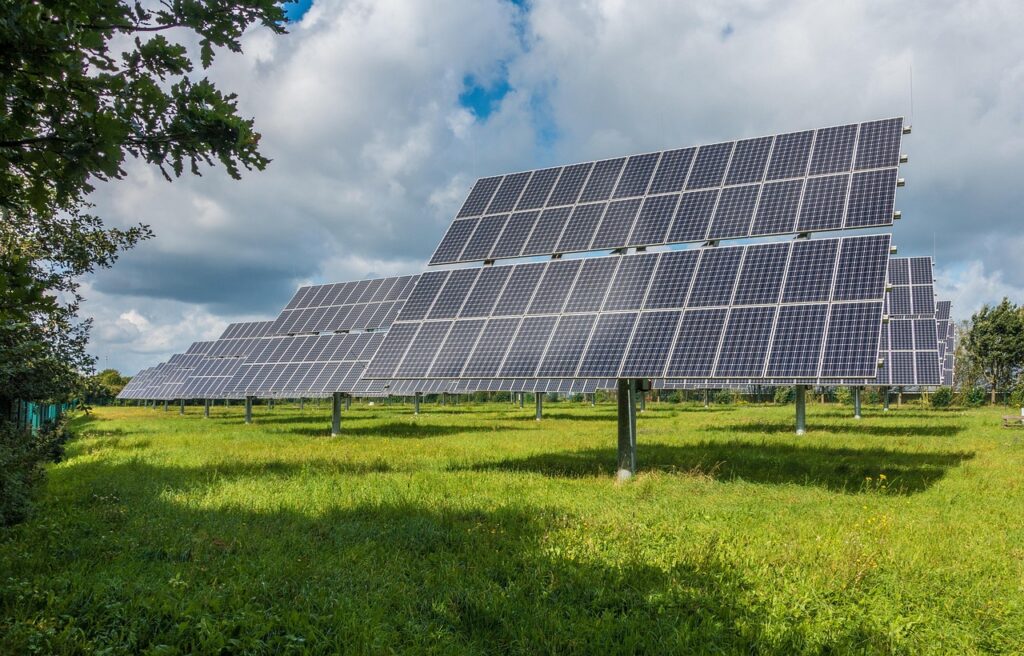
Technological advancements have made solar systems more adaptable and efficient than ever before. Grid-connected and hybrid rooftop solar energy systems allow users to balance energy production and consumption intelligently.
These systems typically offer:
Direct utilization of solar power during daytime
Net metering benefits through grid interaction
Optional battery storage for backup power
Reduced dependence on conventional electricity
Hybrid configurations are especially valuable in areas experiencing occasional power interruptions, ensuring continuity while maximizing renewable energy usage.
Rather than replacing the grid entirely, these systems work alongside existing infrastructure to create a smarter energy ecosystem.
Economic Advantages Beyond Electricity Savings
Solar energy adoption is often associated with reduced electricity bills, but its benefits extend far beyond monthly savings.
Long-term economic advantages include:
Protection against rising power tariffs
Increased property value
Low operational and maintenance costs
Long system lifespan exceeding 25 years
For commercial establishments and institutions, predictable energy costs improve financial planning and operational stability.
Over time, solar power transforms energy expenses into long-term investments.
Role of Policy Support and Public Awareness
Government initiatives and renewable energy policies have accelerated solar adoption across Kerala. Subsidy programs, net metering policies, and awareness campaigns encourage individuals to shift toward sustainable energy solutions.
However, adoption depends equally on informed decision-making. Many property owners hesitate due to misconceptions such as:
Solar panels require excessive maintenance
Systems perform poorly during monsoon seasons
Installation complexity is high
In reality, modern solar technology is designed to operate efficiently under Kerala’s climatic conditions when properly engineered and installed.
Practical Steps for Adopting Solar Energy in Kerala
For homeowners and organizations considering solar energy, a structured approach ensures maximum benefits.
Important steps include:
Assess Energy Consumption
Understand monthly electricity usage patterns.Evaluate Rooftop Suitability
Check available shadow-free space and structural strength.Choose Scientifically Designed Systems
Proper direction, tilt angle, and component selection improve efficiency.Work with Experienced Providers
Professional planning ensures long-term performance and safety.Plan for Future Energy Needs
Consider scalability and battery integration options.
Following these steps helps avoid underperforming installations and ensures optimal return on investment.
Solar Energy and Kerala’s Green Economy Vision
Kerala’s vision for sustainable development includes cleaner transportation, energy-efficient buildings, and renewable power integration. Solar energy directly supports each of these goals.
Widespread adoption contributes to:
Reduced statewide carbon footprint
Sustainable urban development
Energy security for future generations
Green job creation within the renewable sector
As adoption increases, solar energy becomes not just an alternative—but a foundational pillar of Kerala’s green economy.
Building a Culture of Sustainable Energy
The transition toward renewable energy is not solely technological; it is cultural. When communities actively participate in sustainable practices, long-term environmental change becomes achievable.
Solar-powered homes, offices, and institutions demonstrate practical climate responsibility while encouraging wider adoption. Educational awareness combined with reliable system implementation accelerates this cultural shift toward sustainability.
Moving Toward a Cleaner and Energy-Independent Kerala
Kerala’s green future depends on practical, scalable energy solutions that balance environmental responsibility with economic feasibility. Solar energy offers exactly that balance by enabling clean electricity generation at the consumer level.
With guidance from knowledgeable industry experts and continued public awareness, rooftop solar adoption can significantly reduce dependence on conventional power sources. Grid-connected and hybrid solar systems empower individuals and organizations to participate directly in building a sustainable future.
As renewable adoption continues to grow, exploring informed solar solutions today can help shape a cleaner, more resilient Kerala for generations to come.