
On-Grid vs Off-Grid vs Hybrid Solar Systems: Choosing the Best Solar Panels in Kerala Homes
Switching to solar power has become an increasingly attractive option for homeowners across Kerala, especially with the growing availability of the best solar panels in Kerala that suit different home sizes and energy needs. Rising electricity tariffs, frequent power cuts, and growing environmental awareness are prompting many families to explore rooftop solar systems. Yet, when it comes to choosing between on-grid, off-grid, and hybrid solar systems, the decision often feels confusing and overwhelming.
Kerala’s unique climate—with heavy monsoons, humid weather, and varied sunlight conditions—adds another layer of complexity. Homeowners worry about whether solar panels will perform well during cloudy days, whether battery backup is necessary, and how net metering works with the local electricity board. These concerns are valid, especially for first-time solar buyers who want a reliable solution without making costly mistakes.
Understanding how each type of system works and how it aligns with your household’s energy needs is the key to making the right choice. With the right planning, modern technology, rooftop solar can offer consistent power generation, long-term savings, and greater energy independence for homes of all sizes.
Understanding the Three Types of Solar Systems
Before deciding which system suits your home, it’s important to understand how on-grid, off-grid, and hybrid solar systems differ in terms of functionality, cost, and reliability.
On-Grid Solar Systems
On-grid solar systems are connected directly to the electricity grid. During the day, your solar panels generate power for your home, and any excess energy is sent back to the grid through net metering.
Key features of on-grid systems:
No battery storage required
Lower upfront cost compared to other systems
Ability to earn credits through net metering
Dependence on the grid during power cuts
This option works well for homeowners in urban areas with relatively stable power supply. If your main goal is to reduce electricity bills and take advantage of net metering, on-grid systems can be a practical choice.
Off-Grid Solar Systems
Off-grid systems operate independently of the electricity grid. They store energy in batteries, allowing your home to access power even during outages or in areas without grid connectivity.
Key features of off-grid systems:
Complete independence from the grid
Reliable power backup during outages
Higher upfront cost due to battery requirements
Ideal for remote or rural areas
Off-grid systems are suitable for homes in locations with frequent power cuts or unreliable grid access. However, battery maintenance and replacement costs should be considered as part of long-term planning.
Hybrid Solar Systems
Hybrid systems combine the benefits of both on-grid and off-grid setups. They are connected to the grid while also using battery storage for backup power.
Key features of hybrid systems:
Access to net metering benefits
Battery backup during power outages
Flexible energy management
Higher initial investment than on-grid systems
For many Kerala homeowners, hybrid systems offer a balanced solution by providing cost savings through net metering and reliability during power cuts.
How Kerala’s Climate Affects Solar Performance
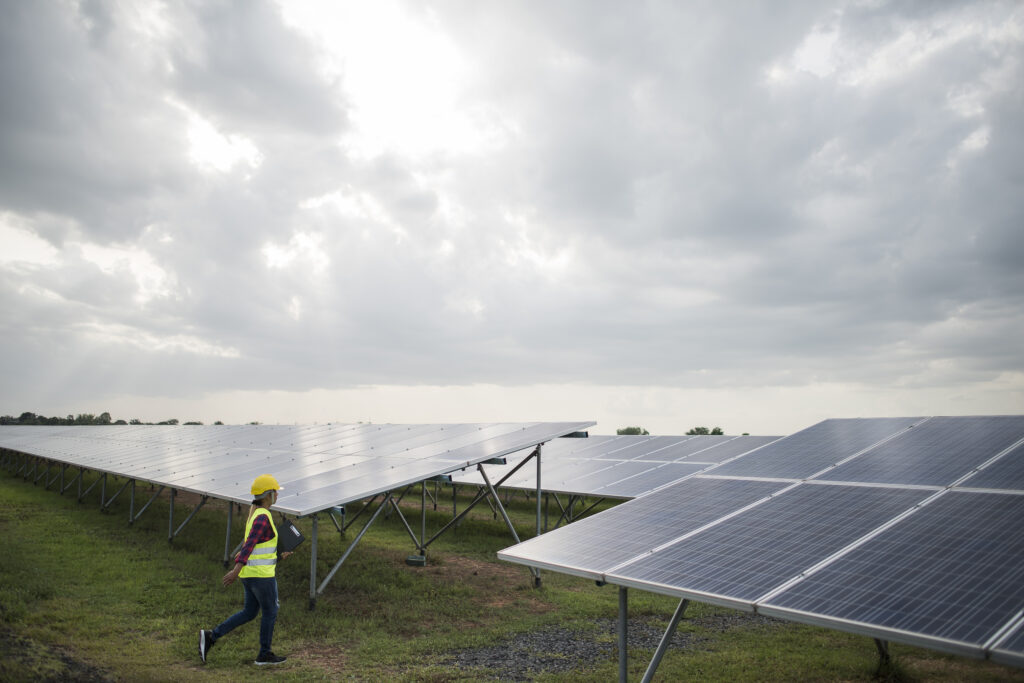
Kerala’s weather plays a significant role in how solar systems perform throughout the year. While sunlight levels remain sufficient for solar generation, monsoons can reduce daily output.
Modern rooftop solar systems are designed to perform efficiently even in cloudy conditions. High-quality panels are built to capture diffused sunlight, ensuring continued power generation during overcast days.
Homeowners should also consider:
Proper panel orientation and tilt for maximum sunlight
Regular cleaning to remove dust and debris after monsoons
Weather-resistant mounting structures
Choosing systems equipped with components suited for humid and coastal conditions helps ensure durability and consistent performance over time.
Choosing the Right System for Your Home
Every home has unique energy needs. The best choice depends on your household’s electricity consumption, budget, and expectations for backup power.
Consider the following factors before deciding:
Electricity usage: Higher consumption may require larger system capacity.
Power reliability: Frequent outages may justify battery backup.
Budget: On-grid systems are more affordable upfront, while hybrid and off-grid systems offer added reliability.
Roof space: Available roof area determines how many panels can be installed.
A professional assessment can help determine the right system size and configuration for your home.
The Role of Panel Quality in Long-Term Performance
The efficiency and durability of your system largely depend on the quality of the solar panels used. Investing in reliable panels ensures better performance, especially in Kerala’s humid climate.
High-quality panels offer:
Better energy conversion efficiency
Longer lifespan and warranty coverage
Improved performance in low-light conditions
Reduced maintenance requirements
When selecting components, homeowners should focus on proven technologies and certified products that can withstand Kerala’s weather conditions.
Practical Tips for First-Time Solar Buyers
For homeowners exploring rooftop solar for the first time, the process can feel technical. Keeping a few practical points in mind can simplify decision-making:
Start with a basic energy audit to understand your consumption.
Compare system options based on your lifestyle and backup needs.
Clarify net metering procedures with your local utility provider.
Choose experienced installers who provide after-sales support.
Taking time to understand these aspects helps avoid costly mistakes and ensures a smoother transition to solar energy.
Long-Term Savings and Environmental Benefits
Beyond cost savings, rooftop solar systems contribute to long-term sustainability. By generating clean energy at home, families reduce their dependence on fossil fuels and lower their carbon footprint.
Over time, solar investments can lead to:
Significant reduction in monthly electricity bills
Protection against rising energy tariffs
Increased property value
A more sustainable lifestyle
These benefits make solar power a practical and responsible choice for Kerala households.
Conclusion
Choosing between on-grid, off-grid, and hybrid solar systems doesn’t have to be complicated. Each option serves different needs, and the right choice depends on your household’s energy usage, budget, and expectations for backup power. Kerala’s climate may present challenges, but modern solar technology has evolved to deliver reliable performance even during monsoons.
By understanding how each system works and selecting quality components, homeowners can make informed decisions that lead to long-term savings and energy independence. Exploring the options available and learning how to match them with the best solar panels in Kerala can help you move forward with confidence. Taking a thoughtful, well-informed approach today can set your home on a more sustainable and cost-effective energy path for years to come.